
Laidley Pioneer Village History – Who We Are
Queensland’s first pioneer village, officially established in 1972 and run entirely by the volunteers of the Laidley District Historical Society Inc.
Our purpose
The Laidley District Historical Society Inc.
The Laidley District Historical Society Inc. is a non-profit organisation dedicated to collecting, preserving, researching, exhibiting and interpreting objects that best illustrate past human habitation and the settlement and development of the Laidley district, for current and future generations to enjoy.
The Society operates Laidley Pioneer Village & Museum as a not-for-profit organisation, run solely by its members and volunteers. Alongside the buildings and collections, the Society provides a local and family-history research service and an education program that has welcomed countless school children, seniors’ groups and clubs.
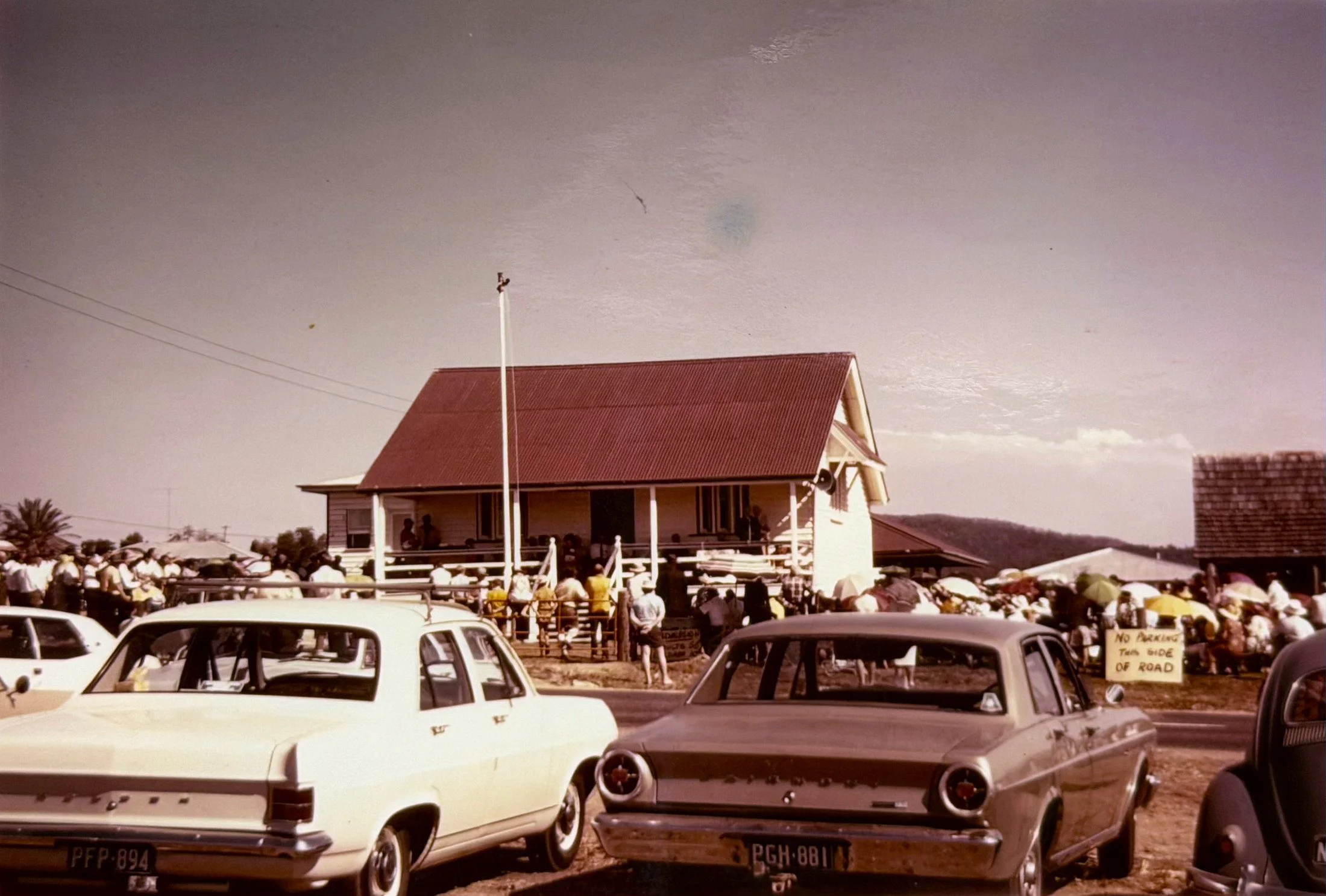
The original Laidley Shire Council building, now the Village entrance and office.
OUR STORY
Queensland’s first pioneer village
Laidley Pioneer Village grew from the vision of Eb Cook, who dreamt of a place where visitors could step back in time and experience life as it once was. With a group of friends, he set out to secure land at the corner of Drayton and Pioneer Streets and to gather the buildings and objects that tell the district’s story. Volunteers from across the region, often accompanied by their children, gave their weekends to constructing and maintaining the Village.
Laidley Pioneer Village was officially established in 1972 and holds the distinction of being Queensland’s first pioneer village, making it significant historical village in the region. Thanks to the dedication of its founding members and countless volunteers since, the Laidley District Historical Society Inc. was formed, and the Village has grown into the heritage complex it is today.
A historic site
The Village stands on the site of the teamsters’ first overnight camp after crossing the Little Liverpool Range from Bigge’s Camp in Grandchester. At this spot, the flat sandstone bottom of Narda Lagoon provided a safe crossing for horses and drays.
Early Laidley settlement was originally near the Laidley Pioneer Village. With the arrival of the railway in 1866, 2.4 kilometres to the north, businesses and residents gradually moved to what is now the town of Laidley. Today, the site remains a significant part of Laidley and the Lockyer Valley’s history.
What we do today
Preserve and share the historic buildings, objects, machinery and stories of the Laidley district — see the Village Attractions.
Educate through school excursions and group visits.
Research local and family history using the Society’s records and archives — see Local & Family History.
Restore machinery and buildings through our projects.
Welcome the community to special days such as Pioneer Day and Australia Day — see Events.
Everything is done by volunteers. If you would like to be part of it, see Volunteering.
THROUGH THE YEARS
Building the Village
Photographs from the Society’s collection: the first buildings arriving in 1971, the opening in 1972 and the Village as it grew. Select a photograph to see it larger.
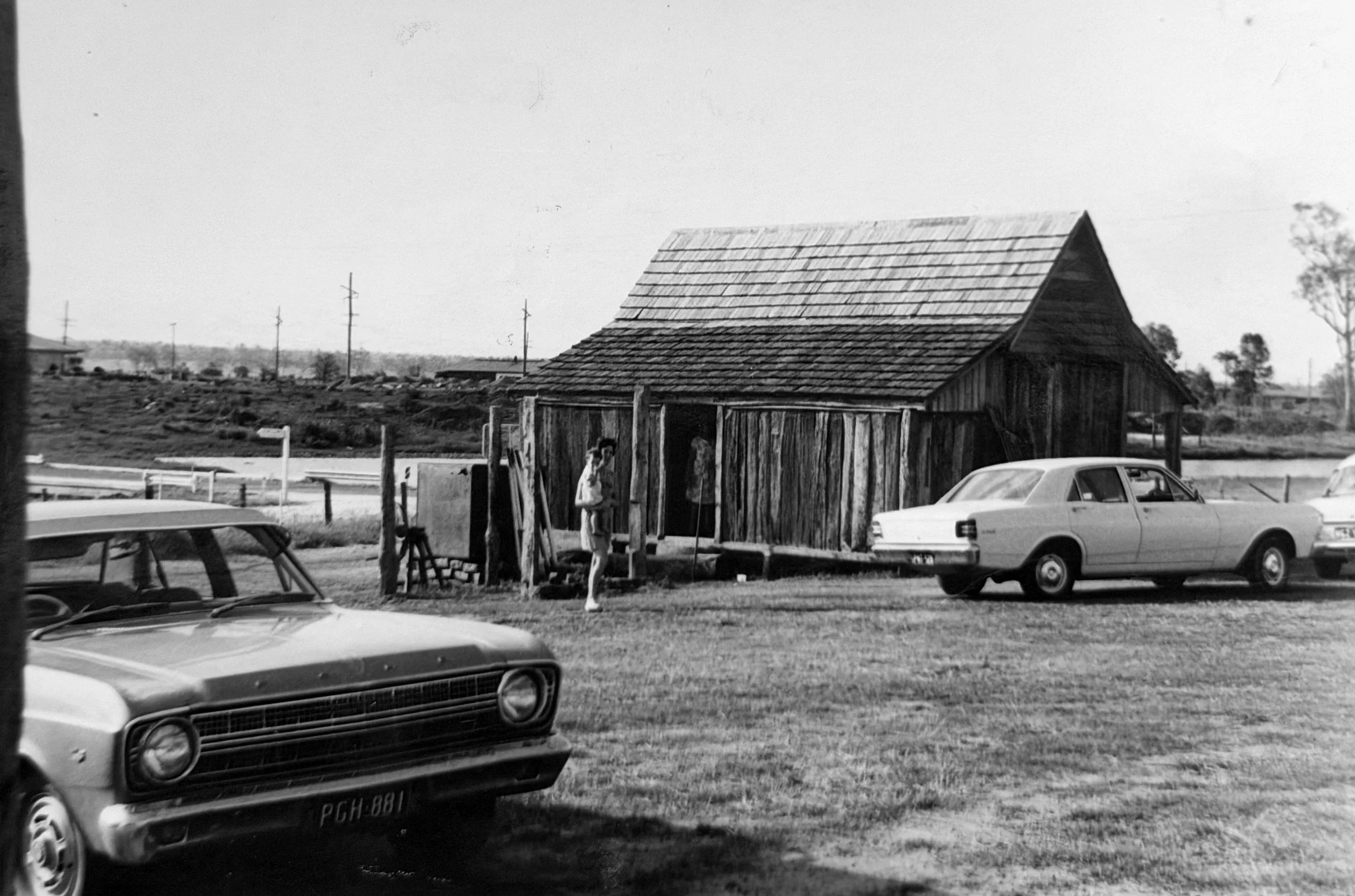
The Pioneer Slab Hut on the Village site, 1971.
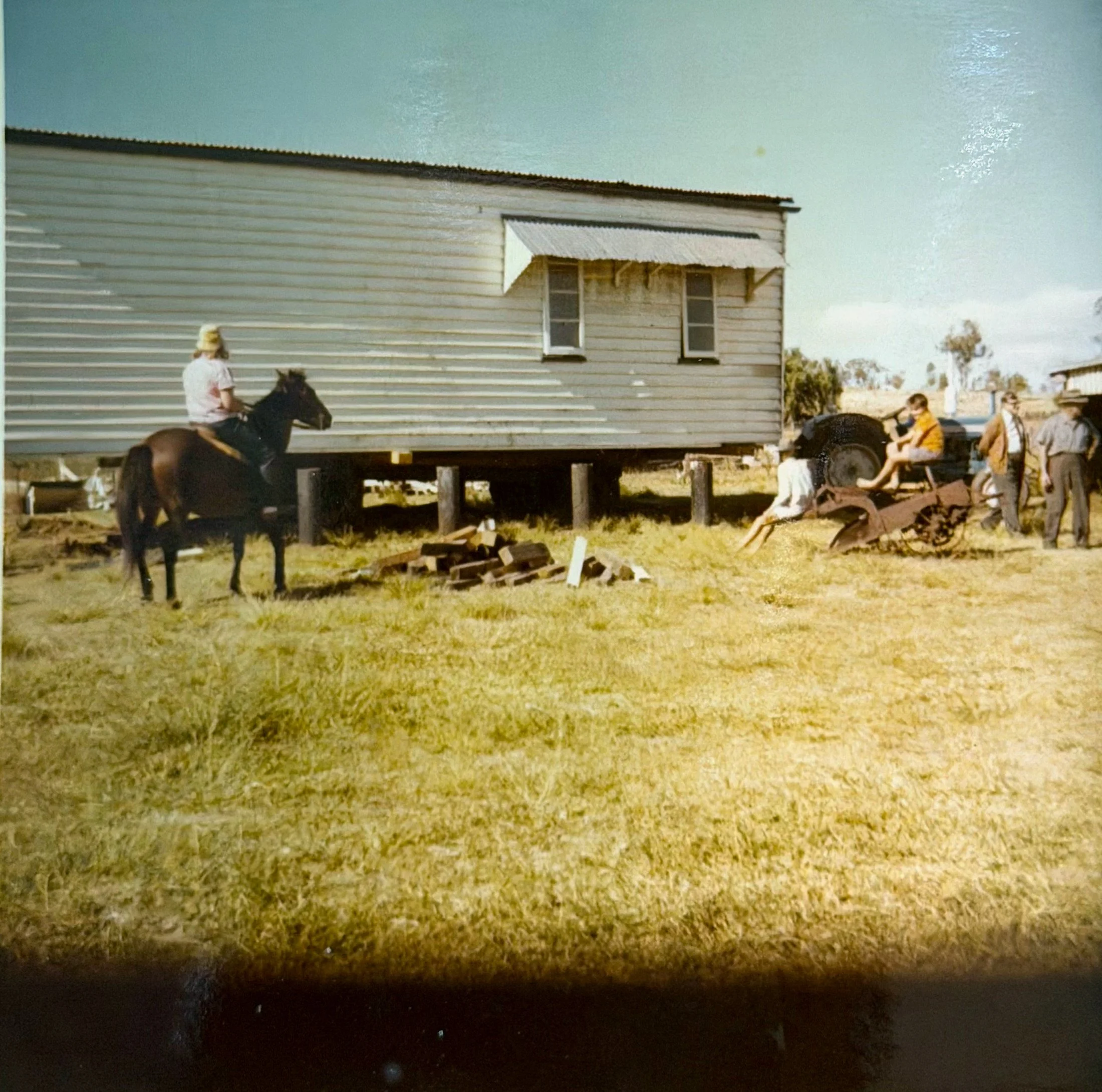
Moving the Old Mortuary building to the Village.
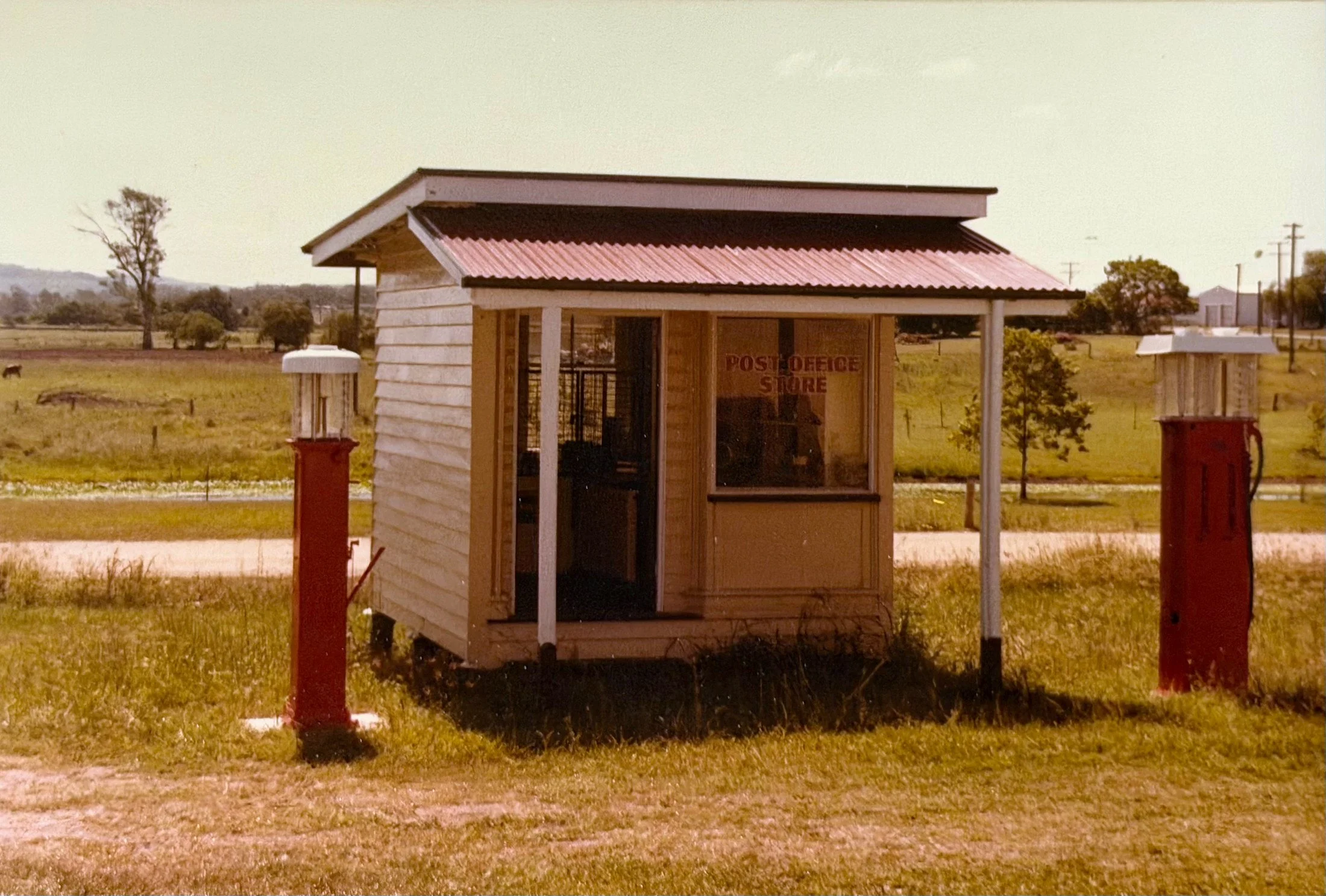
The Post Office Store in earlier years.
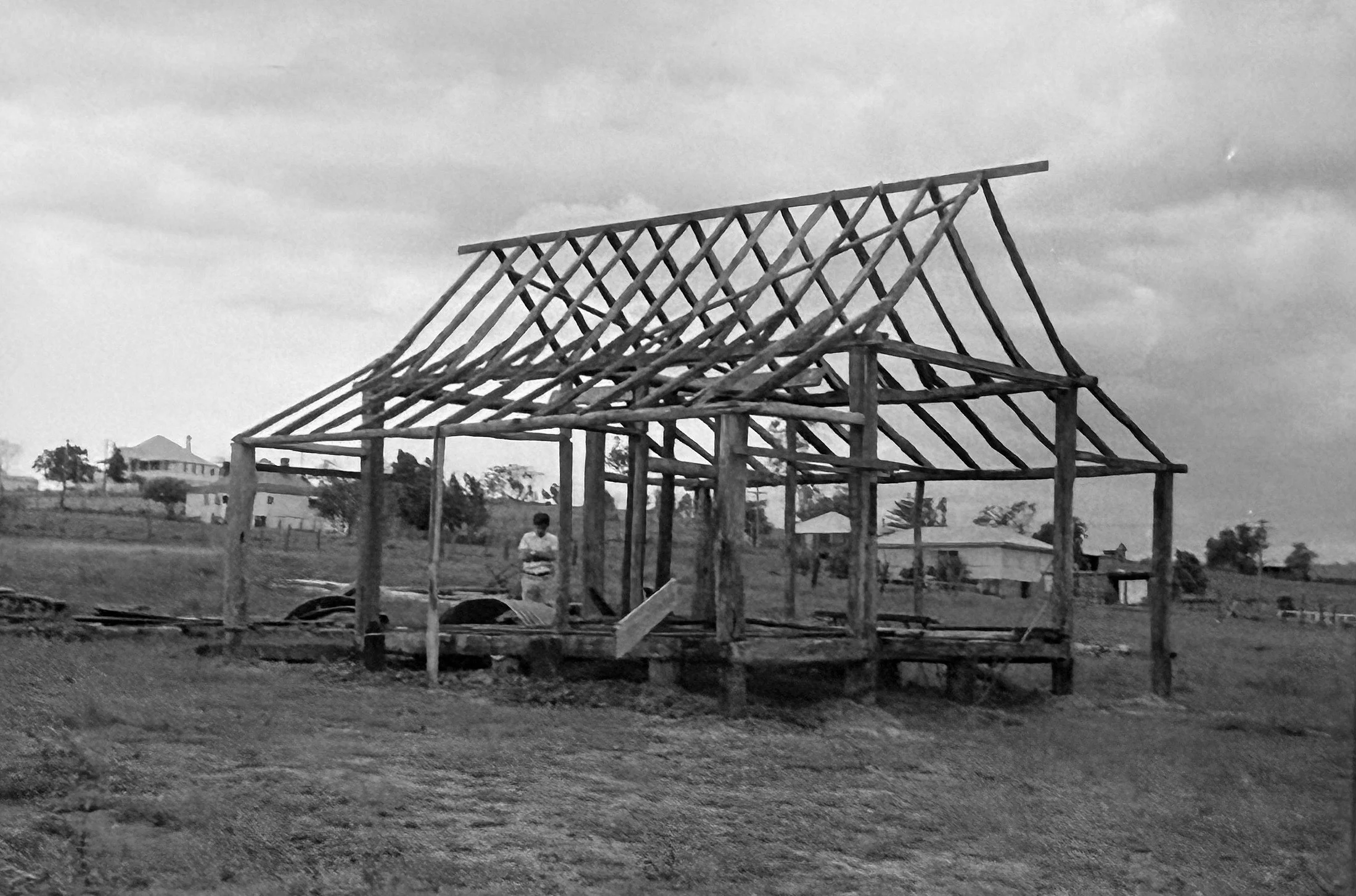
Building the Pioneer Slab Hut, 1971.
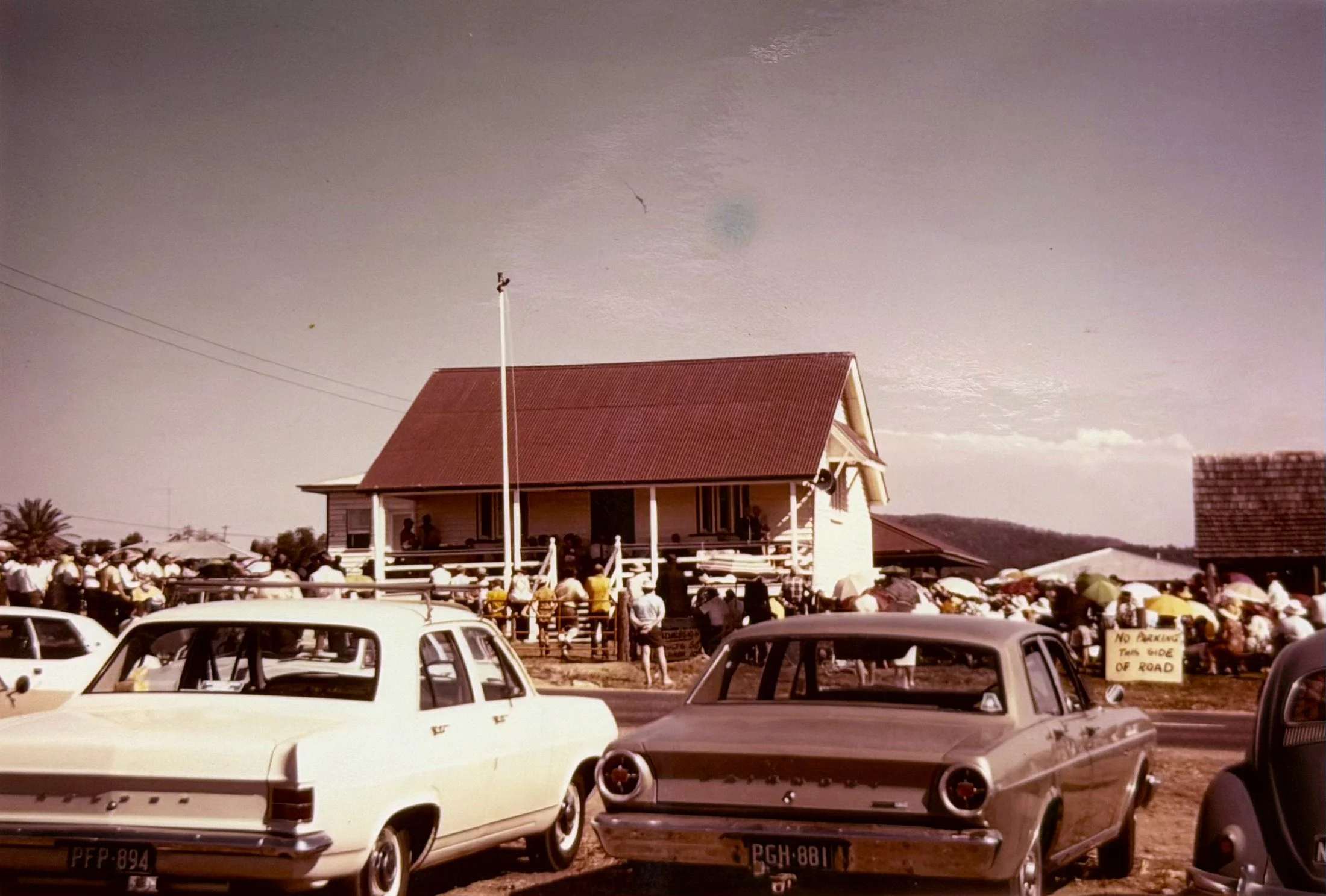
Village, 24 September 1972.
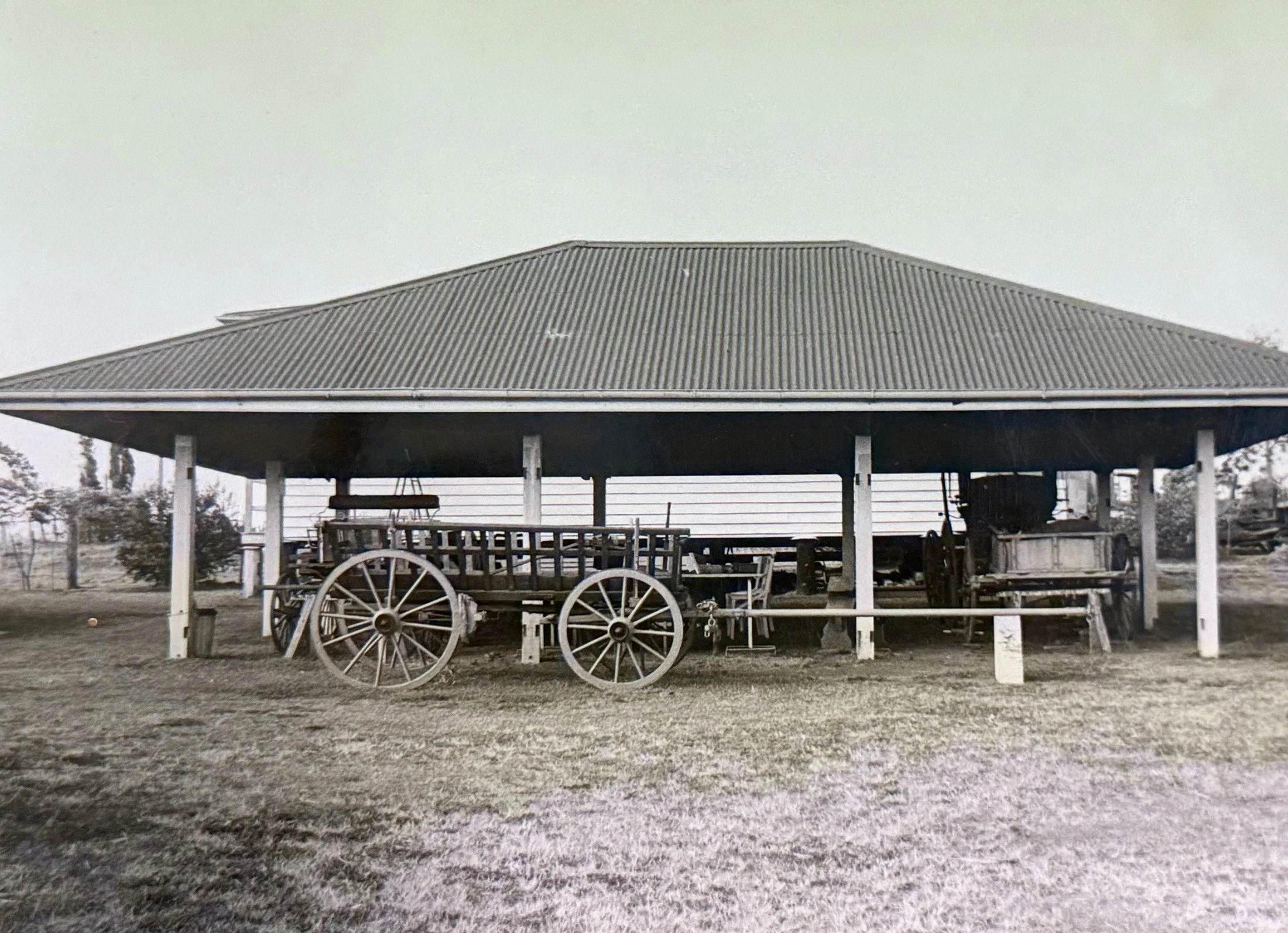
The Rural Life display.
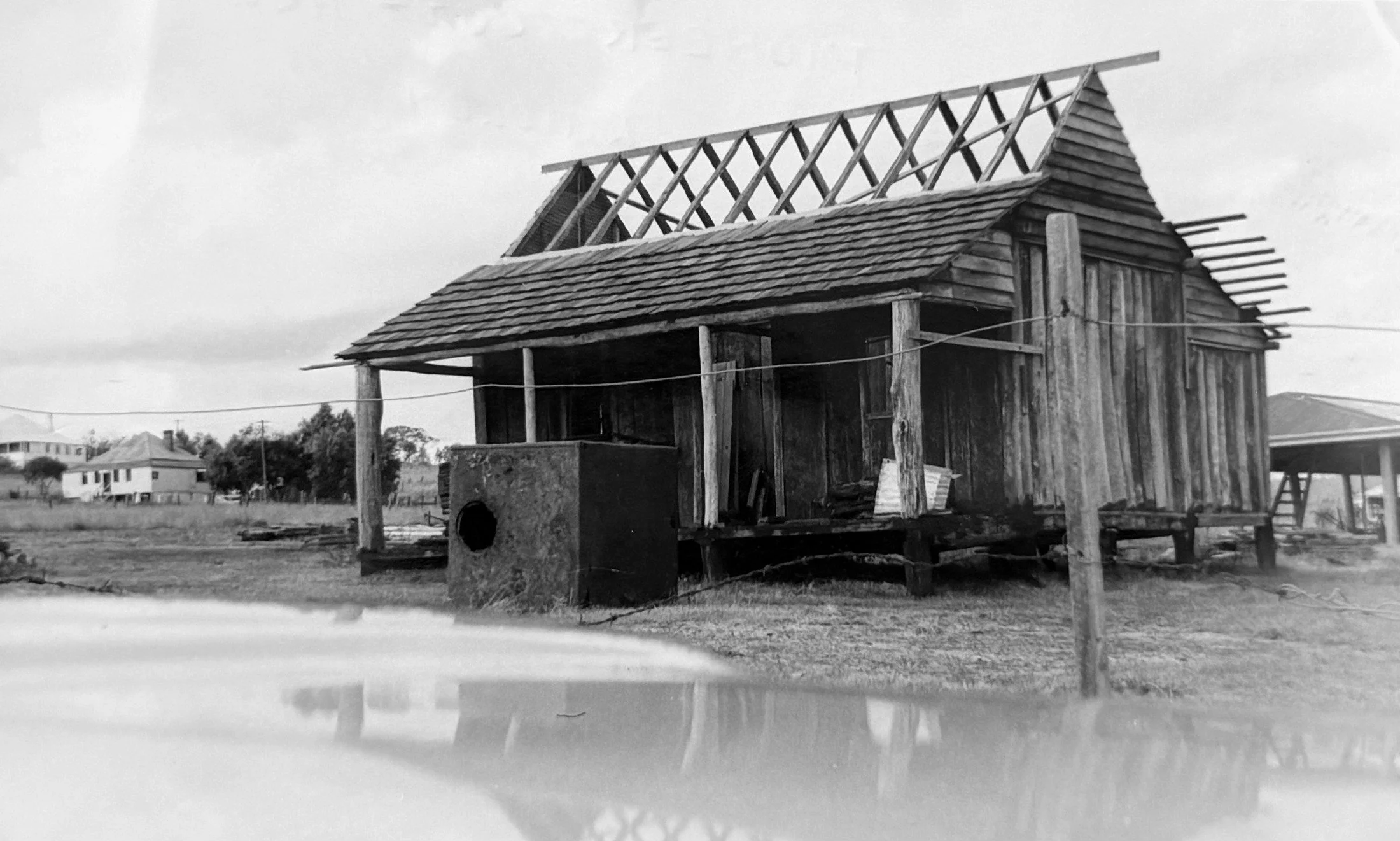
The slab hut takes shape, 1971.
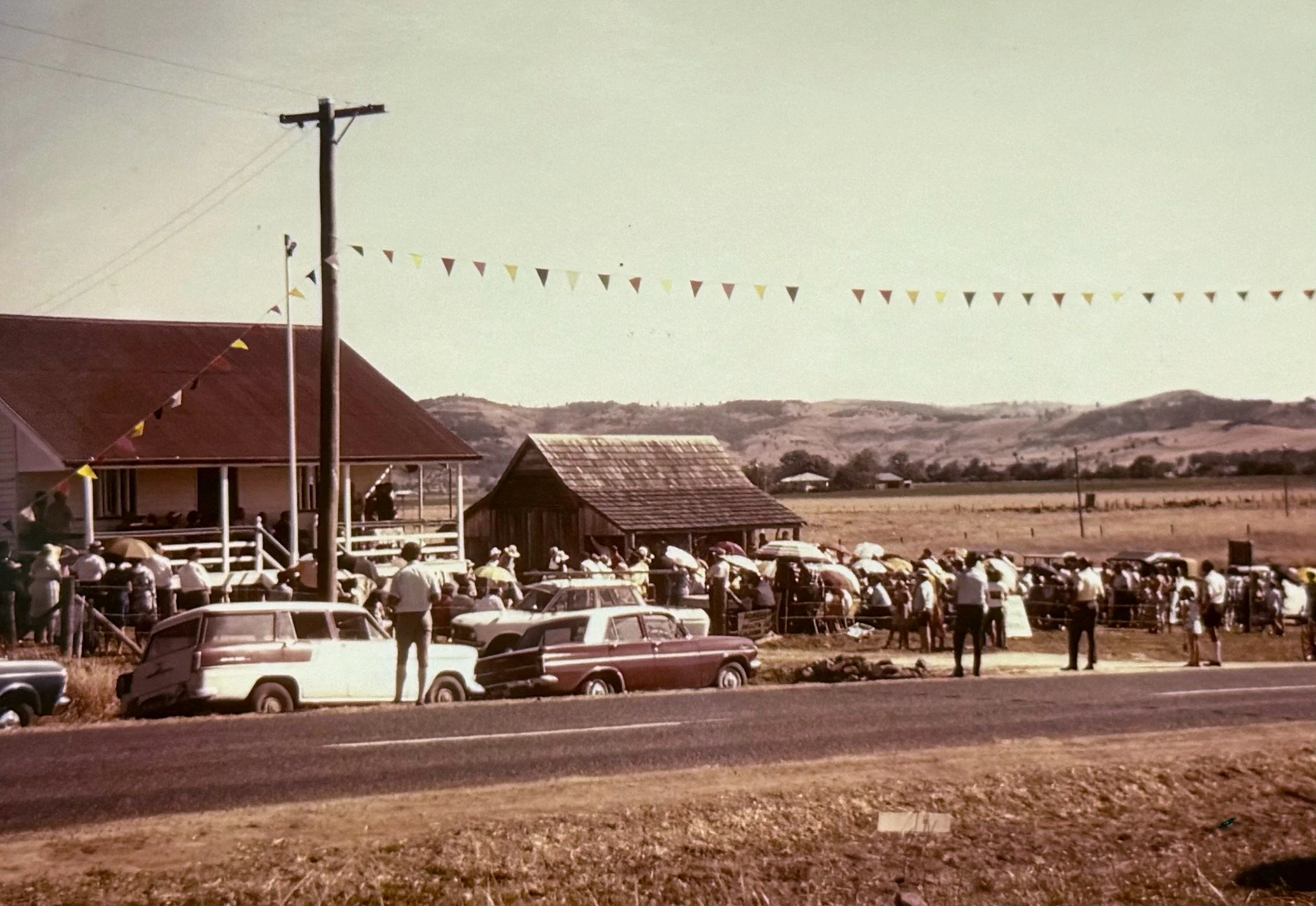
Crowds at the opening of the Village, 1972.
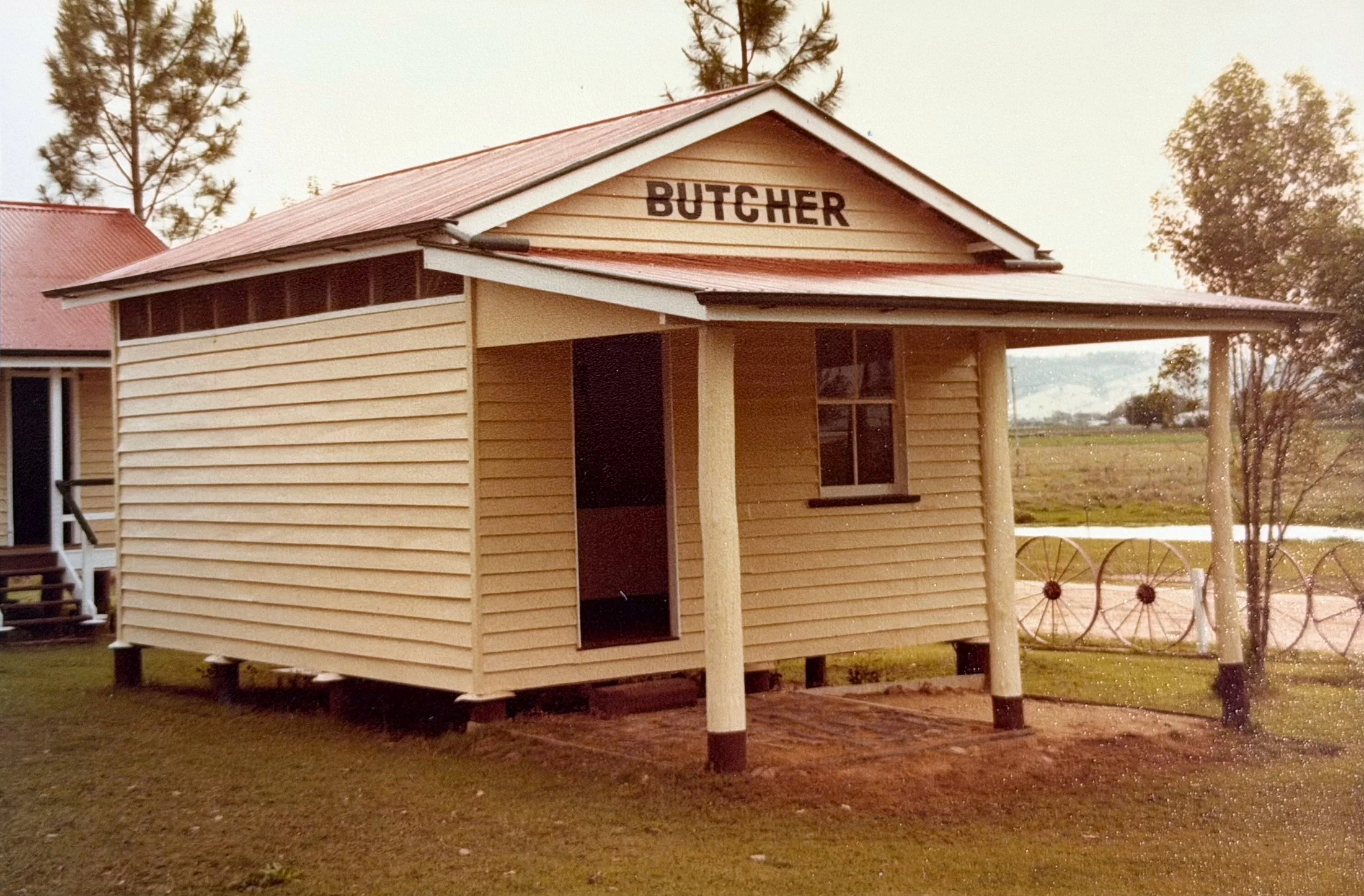
The Butcher Shop after its relocation.
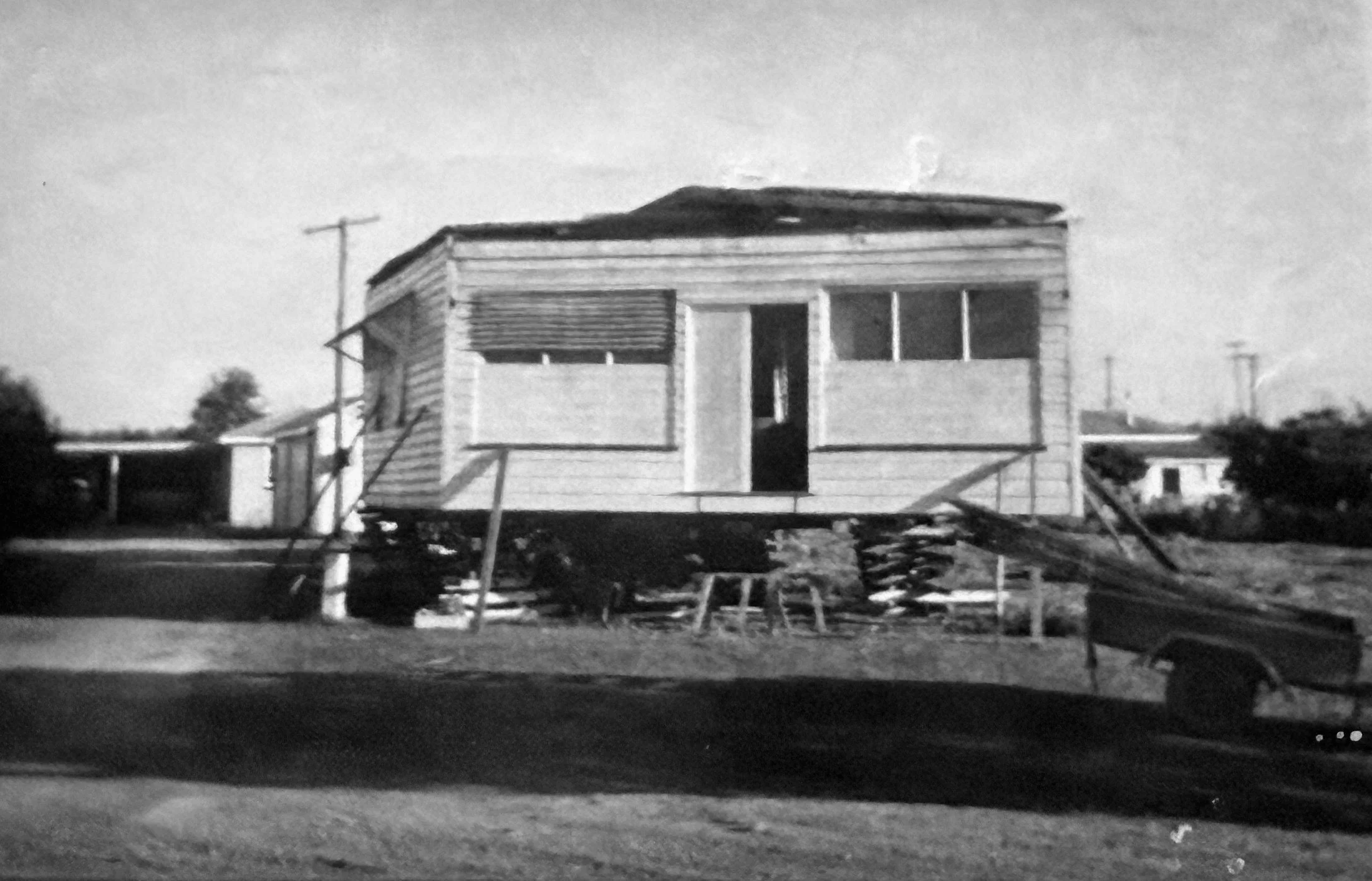
Jim Crack’s building in Vaux Street.
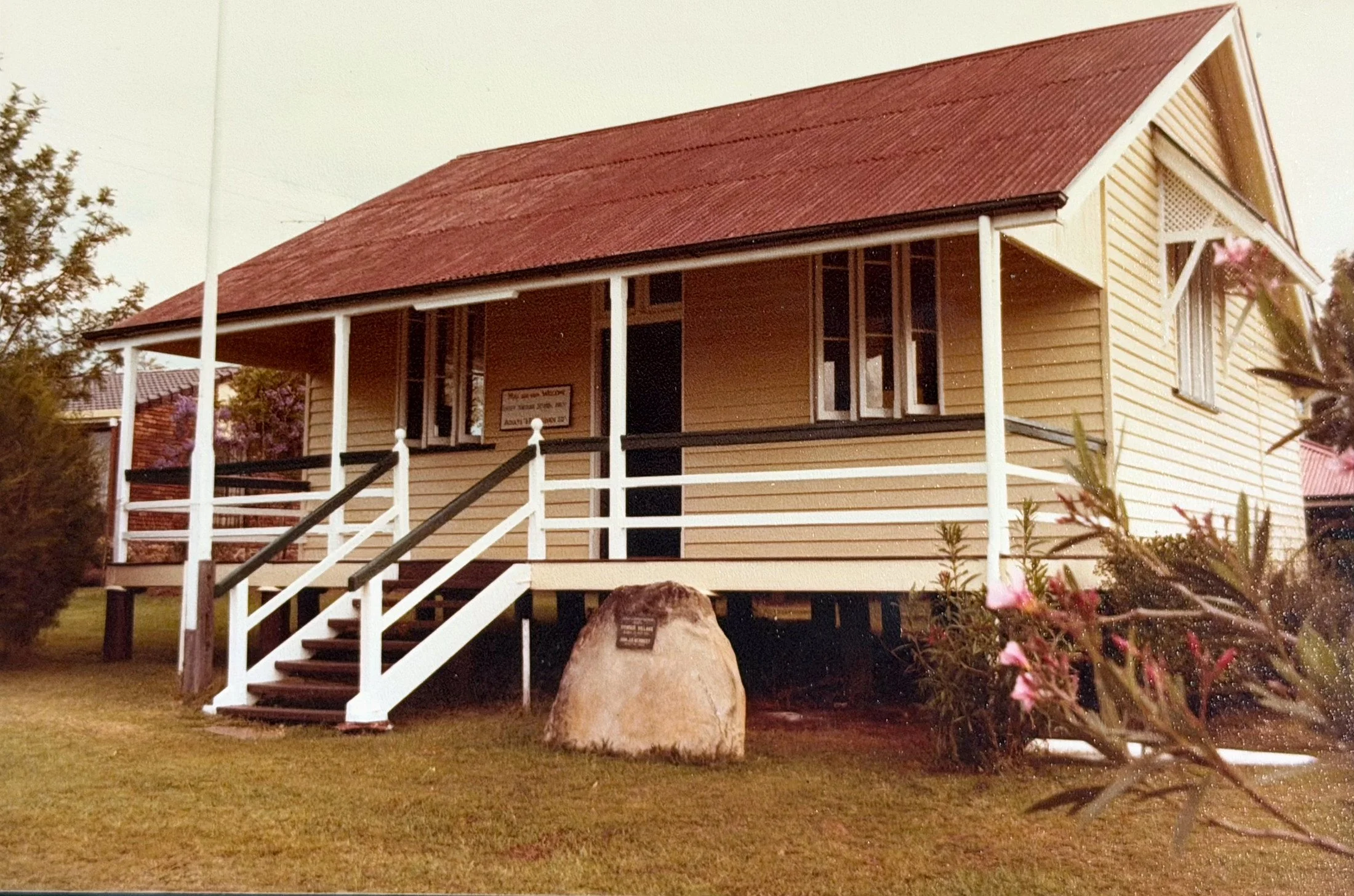
The original Laidley Shire Council.
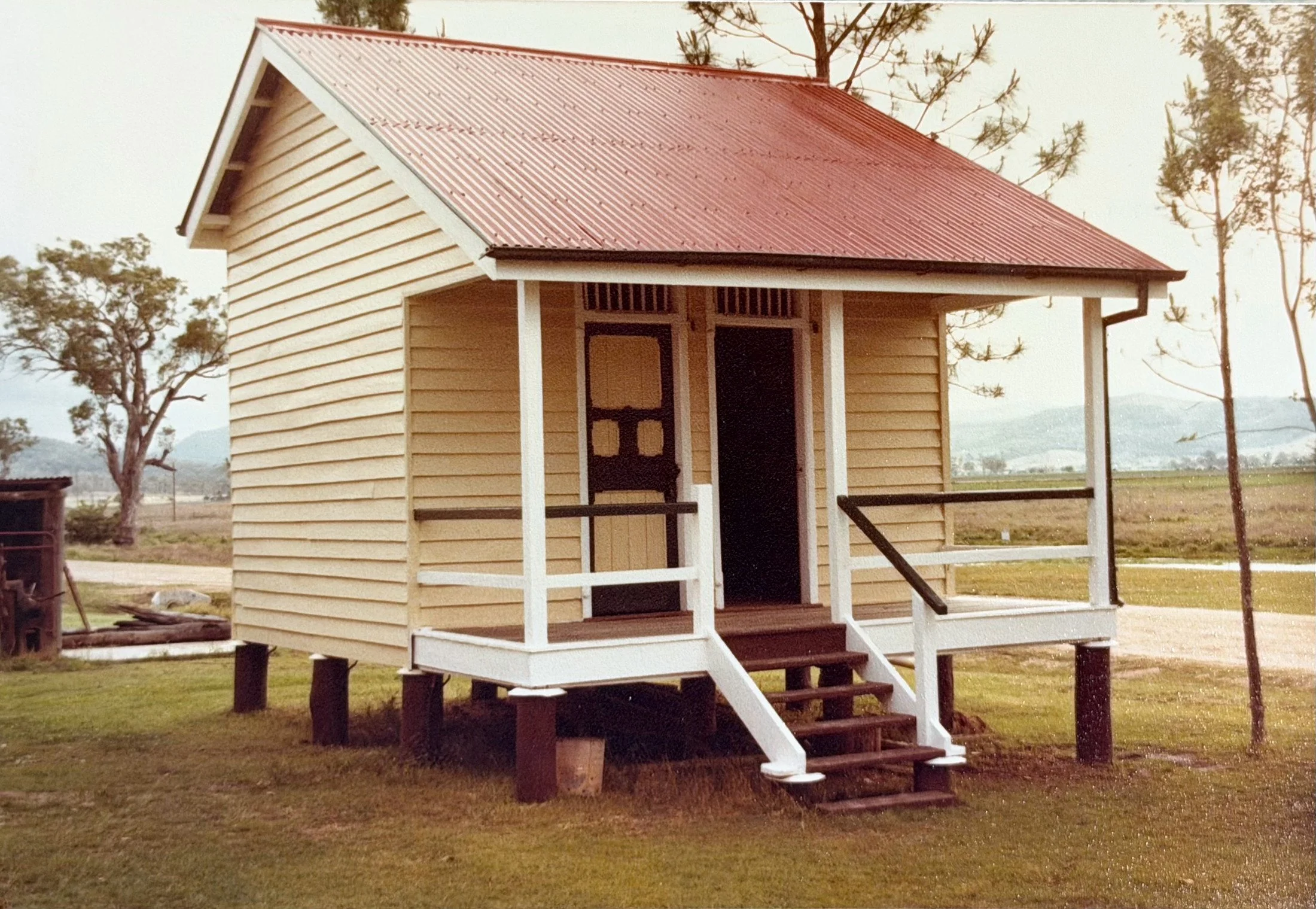
The Jail after its relocation to the Village.
Plan your visit
Open Monday to Sunday from 9:00 am to 3:00 pm, with last admission at 2:00 pm. Adults $10, concession $8.
